As climate change continues to reshape Nigeria’s environment, thousands of schoolchildren across the country are facing a growing crisis — one that threatens their health, education, and future.
In a compelling two-day workshop held in Abuja, the Nigerian National Commission for UNESCO (NATCOM-UNESCO), alongside key government agencies, civil society groups, and international partners, raised the alarm over the deteriorating state of Water, Sanitation, and Hygiene (WASH) services in schools, particularly in the face of climate change.
The workshop, themed “The Impacts of Climate Change on WASH in Nigerian Educational Institutions”, spotlighted a silent emergency affecting millions of children who attend schools without access to safe drinking water or functional toilets.
Dr. Lateef Idowu Olagunju, Secretary-General of NATCOM-UNESCO, painted a stark picture: “Inadequate WASH services are not just a health risk — they’re undermining our children’s ability to learn, thrive, and stay in school, especially girls and students in marginalised communities.”
Children Most at Risk
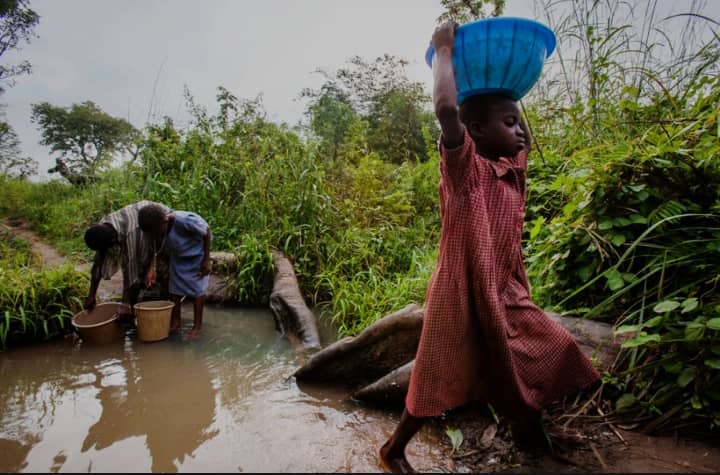
For many students, especially in rural and underserved areas, schools are their only access point to clean water and basic sanitation. Yet, climate change — through rising temperatures, prolonged droughts, floods, and contaminated water sources — is compounding an already fragile system.
“Diseases spread, attendance drops, and performance suffers,” Olagunju warned. “These impacts are real and happening now — not decades away.”
Schools on the Frontline of Climate Adaptation
Far from being helpless victims, schools can also be powerful agents of change. Olagunju called for schools to be reimagined as hubs for climate resilience and innovation.
“Our schools must lead by example,” he said. “If we want the next generation to uphold sustainability, we must give them environments that model it.”
He urged all stakeholders — from teachers to policymakers — to treat access to climate-resilient WASH infrastructure as a cornerstone of inclusive and quality education.
A Right Under Threat
Speaking on behalf of the Federal Ministry of Education, Juliet Uzor, representing the Director of Educational Planning, Research and Development, Obiajunu Anigbogu, echoed the urgency of the situation.
“The right to safe water and sanitation is a basic human right — and yet, in many of our schools, that right is slipping away,” she said.
Uzor referenced alarming findings from the Intergovernmental Panel on Climate Change (IPCC), pointing to more frequent floods, worsening droughts, and erratic rainfall as existential threats to school infrastructure.
She called for investment in climate-smart solutions, policy reform, and knowledge-sharing that would help schools adapt to a rapidly changing environment.
A Call to Action
Participants at the workshop called for an immediate shift from reactive responses to proactive, long-term planning. They urged federal and state governments, development partners, and local communities to work together to ensure every Nigerian child learns in a safe, healthy, and sustainable environment.
“We are not just talking about pipes and toilets,” Olagunju concluded. “We are talking about dignity, opportunity, and the kind of future we are building for our children.”