Roving Reporters
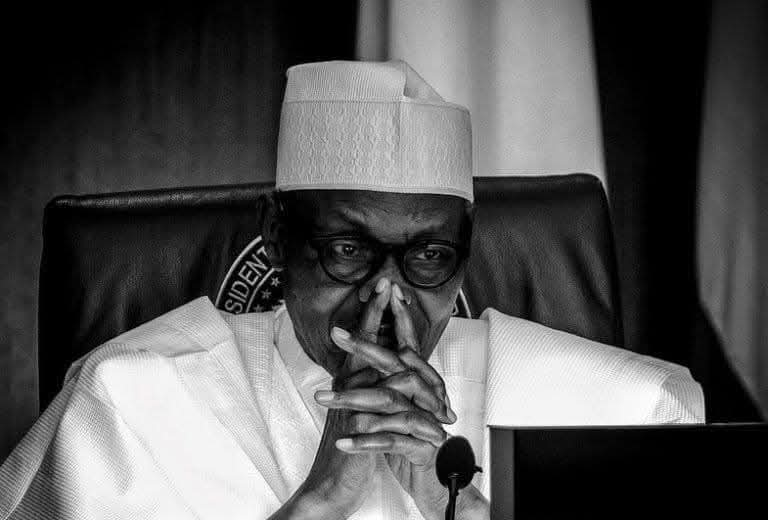
The death of former President Muhammadu Buhari, Nigeria’s retired Major General turned democratic leader, has stirred waves of emotions across the country.
While some mourn the passing of a man who once ruled with discipline and austerity, others recall the bitter cost of his second coming—from 2015 to 2023—marked by untold hardship, insecurity, and disillusionment.
If immortality is measured by lasting impact, then Buhari’s legacy is indelible—but not in the manner his supporters might hope.
For many Nigerians, Buhari has immortalised himself not through towering monuments or noble policies, but through the suffering and systemic decay that defined his eight years in office.
A Nation in Chains: The Economy of Suffering
Under Buhari, Nigeria’s economy plummeted into two recessions within five years. Inflation soared, the naira collapsed, and millions fell below the poverty line.
The once-hopeful “Next Level” agenda soon became a nightmare of skyrocketing food prices, mass unemployment, and fuel scarcity—even in an oil-rich nation.
As at the end of his tenure in 2023, Nigeria held the disgraceful title of the “poverty capital of the world,” overtaking India.
The purchasing power of the average citizen was eroded by a combination of poor monetary policies, rising debt, and mismanagement—most infamously under the controversial Central Bank Governor Godwin Emefiele, whose policies many believe were rubber-stamped by Buhari’s passivity.
It’s no surprise, then, that many Nigerians associate Buhari’s legacy with hardship. Markets remember. Empty stomachs never forget.
The Herdsmen Crisis: An Insecurity Enshrined in Blood
While Boko Haram and banditry continued to ravage the North during Buhari’s tenure, another deadly spectre emerged—killer herdsmen.
In states across the Middle Belt and the South, Fulani herdsmen—emboldened by a seeming lack of accountability—carried out attacks on farming communities, leading to thousands of deaths, widespread displacement, and worsening ethnic tensions. Buhari’s perceived silence, slowness, or outright refusal to classify them as terrorists left many questioning where his loyalties lay.
Despite calls for decisive action, the president often appealed for “understanding” or gave vague assurances, further fuelling accusations of ethnic bias and complicity. The proposed RUGA settlements and grazing routes reopened old wounds about land rights and national identity.
Today, the mere mention of herdsmen evokes images of burned villages and grieving mothers—another tragic chapter tied to Buhari’s legacy.
Selective War Against Corruption
Buhari came to power riding a high horse of anti-corruption promises. But what Nigerians witnessed was a lopsided war that spared allies and targeted opponents.
Several high-ranking officials within his party, including former governors and ministers with corruption allegations, roamed freely or were absorbed into his administration. Meanwhile, opposition figures were hounded, sometimes with flimsy charges or trial by media.
This selective application of justice—combined with the weakening of institutions like the EFCC and DSS—destroyed public confidence in the fight against corruption, a cornerstone of Buhari’s 2015 campaign.
Tales of Authoritarianism and Silence
Though democratically elected, Buhari governed in the shadow of his military past. Critics accused him of authoritarian tendencies, particularly in clamping down on protests (such as the #EndSARS movement), shrinking civic space, and attempting to regulate social media through indirect censorship.
His style of governance was often described as aloof, detached, and unresponsive. He was known for long silences during national crises—whether during the Lekki Toll Gate shooting, fuel scarcity, or national tragedies.
Many Nigerians never forgot his words: “I belong to everybody, and I belong to nobody.” Yet in action, he seemed to belong to a narrow circle of trusted northern loyalists.
A Divided Nation: Legacy of Ethno-Religious Polarisation
Under Buhari, Nigeria witnessed deepening divisions along ethnic and religious lines. His appointments, often skewed toward northern Muslims, alienated other regions and stoked fears of a hidden Fulani agenda.
The clamor for Biafra resurfaced with renewed force. The Yoruba agitation for Oduduwa Republic gained traction. The Middle Belt cried of abandonment. Calls for restructuring reached a crescendo—but were ignored.
Rather than heal old wounds, Buhari’s administration, critics argue, reopened them.
Immortalised—But at What Cost?
History is not always kind. While Buhari’s admirers may recall his personal discipline, anti-corruption rhetoric, or infrastructural projects like the Second Niger Bridge or Abuja-Kaduna rail, millions remember him for what they endured.
To the jobless graduate, he is the architect of eight lost years.
To the widow in Benue, he is the face of official silence amid herdsmen’s massacre.
To the trader in Onitsha, he is the reason the dollar went from ₦197 to ₦700.
To the #EndSARS protester, he is the shadow of repression.
Conclusion: The Legacy Cast in Stone
Buhari has passed, but his name is etched into Nigeria’s history—not just in textbooks, but in the bitter testimonies of millions who lived through his time.
He didn’t need statues or street names to immortalise himself. The hardship was enough.
Whether in whispered curses or reluctant prayers for peace, Nigerians will remember. And in that memory, Muhammadu Buhari lives on—not as a hero, but as a lesson.