For millions of Nigerians, rivers are more than flowing water — they are kitchens, bathrooms, playgrounds and lifelines. But those same rivers may now be silently endangering the very communities that depend on them.
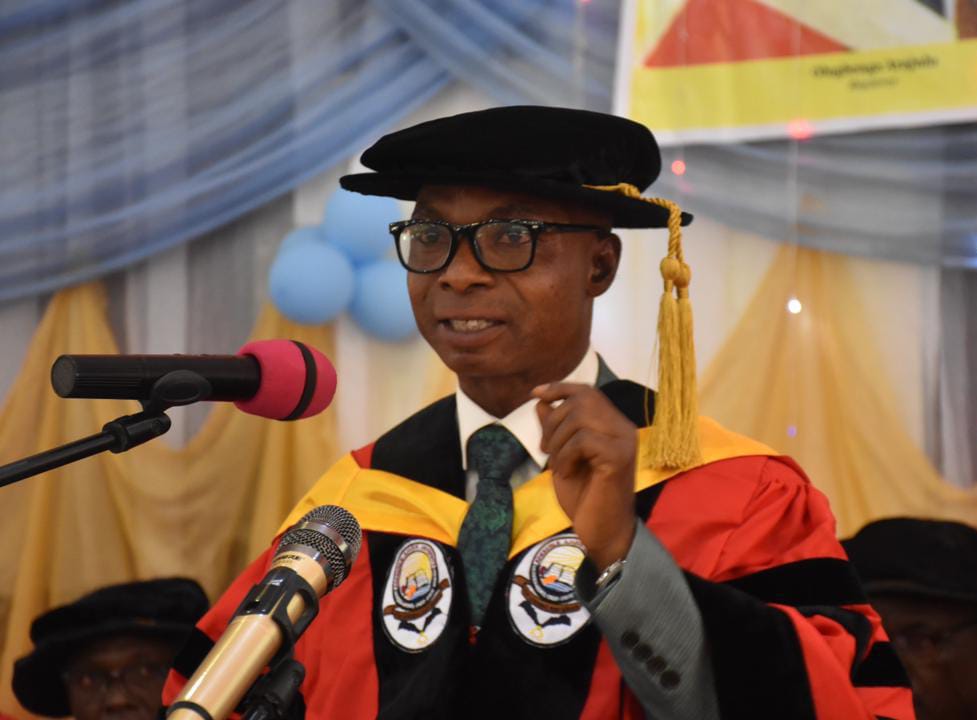
This was the sobering message delivered on Tuesday by Professor Isaac Ayodele Ololade of Adekunle Ajasin University, Akungba Akoko (AAUA), during the institution’s 55th Inaugural Lecture titled “Environmental Chemistry: The Science Behind a Healthier Planet.”
Drawing from years of scientific investigations into major rivers across southwestern Nigeria, the environmental chemistry expert warned that continuous exposure to polluted water sources poses serious health risks, including cancer.
“The rivers that many Nigerians depend on for drinking, cooking and bathing are being systematically poisoned by industrial and urban waste,” he said. “Based on the results of our several studies… I can say authoritatively that our existence is being threatened because of continuous exposure to avoidable risks.”
Hidden Dangers in Daily Life
According to Prof. Ololade, the danger is not limited to drinking contaminated water. His research found that both swallowing polluted water and skin contact during activities such as bathing and swimming significantly increase carcinogenic risk.
“Both dermal and ingestion routes are practically significant in the carcinogenic risk assessment to human health in all the rivers investigated in our studies,” he explained, urging caution in the domestic and recreational use of river water.
For rural dwellers who have few alternatives, the warning strikes at the heart of everyday survival.
Mechanics at Risk
To illustrate the human cost of environmental negligence, the professor presented findings from blood and urine tests conducted on auto mechanics in Ondo State. The results revealed “unacceptably high levels of carcinogenic matter” and toxic metals in their bodies — exposure he linked to improper waste disposal practices in workshops.
He recommended strict monitoring of auto mechanic workshops, proper segregation of waste using designated containers, development of spill response plans, and structured training for mechanics and apprentices. Regular environmental and air quality monitoring of workshop areas, he said, must also become routine.
Call for Zero-Discharge Policy
Prof. Ololade urged urgent implementation of a zero-discharge policy to halt the contamination of rivers through unregulated industrial and urban waste.
“The current data suggest that it is high time to take appropriate steps toward the protection of our water resources,” he said. “Unlimited and unregulated direct point sources of pollution may not provide the appropriate conditions that can protect and support marine protection that encourages recreation, tourism and sustainable development.”
Beyond Rivers: Tackling the Waste Crisis
The inaugural lecturer proposed a multi-layered response involving governments at all levels. Among his recommendations were:
Enactment and strict enforcement of environmental regulations
Heavy fines and penalties for offenders
Aggressive public awareness campaigns
A total ban on single-use plastics
Provision of adequate waste bins
Establishment of robust recycling programmes for paper and plastics
Investment in modern, properly contained landfills instead of open dumps that “slowly poison soil and water”
He also advocated waste-to-wealth initiatives such as controlled incineration to reduce waste volume and generate power, alongside digital platforms to optimise waste collection routes and improve efficiency.
Obstacles to a Cleaner Future
While outlining solutions, Prof. Ololade acknowledged the harsh realities facing developing nations like Nigeria. Inadequate funding, weak infrastructure, and shortages of trained personnel continue to hamper effective waste management. No single approach, he noted, can solve the problem, and advanced technologies require sustained funding and maintenance.
A Call for Collective Action
Despite the grim findings, the professor ended on a note of cautious optimism.
“As we confront the pressing challenges of environmental degradation, the vision of a pollution-free world feels increasingly distant,” he said. “However, through collective efforts and innovative solutions, this ideal can shift from being a mere fantasy to a tangible goal.”
He urged citizens, communities and governments to prioritise sustainable practices, embrace renewable energy and foster a culture of environmental stewardship.
“It’s time to ask ourselves: can we make a pollution-free environment a reality? The answer lies in our hands. Let’s commit to making it happen,” he concluded.
Recognition of a Scholar
Earlier, while introducing the lecturer, AAUA Vice Chancellor, Prof. Olugbenga Ige, described Prof. Ololade as a consummate academic whose research enjoys national and international recognition and has brought positive global attention to the university.
He noted that the university’s inaugural lecture series provides professors a platform to present their research to society with the goal of driving community improvement and development through innovative ideas.
For many Nigerians who draw water from nearby rivers each morning, the lecture’s message was clear: protecting the environment is no longer optional — it is a matter of survival.